International Coastal Cleanup: The Cruise Industry’s Role
International Coastal Cleanup is a reminder that protecting the ocean also means protecting the places where land and sea meet. Every year, this global initiative brings attention to marine litter and the impact waste can have on beaches, waterways, coastal ecosystems and the ocean itself. Since 1986, the International Coastal Cleanup has mobilised millions of volunteers around the world to remove and document marine debris.
For the cruise industry, it is also an opportunity to reflect on the role we can play in protecting the environments that make our activity possible. At Mystic Ocean, the sea is part of our everyday operation. Our ships connect ports, cities and coastal communities, and many of the experiences our guests enjoy are directly linked to healthy marine and coastal environments. That connection comes with responsibility.
Coastal protection starts long before the shoreline
When we think about coastal clean-ups, the most visible action is often the removal of waste from beaches. But protecting coastlines starts much earlier.
It begins with the choices made on board: how much waste is generated, which materials are used, how they are separated and managed, and how operations can become progressively more efficient. Across the maritime sector, preventing waste from reaching the sea is one of the most important contributions operators can make.
International regulations already provide a clear framework. MARPOL Annex V, which addresses pollution by garbage from ships, generally prohibits the discharge of garbage into the sea except for specific categories under defined conditions. Crucially, it imposes a complete ban on the disposal of plastics at sea.
For cruise companies, however, compliance should be the baseline rather than the final objective. Reducing unnecessary materials, increasing reuse, improving recycling processes and strengthening responsible waste management can all help reduce pressure on marine and coastal environments.
The cruise industry has a wider role to play
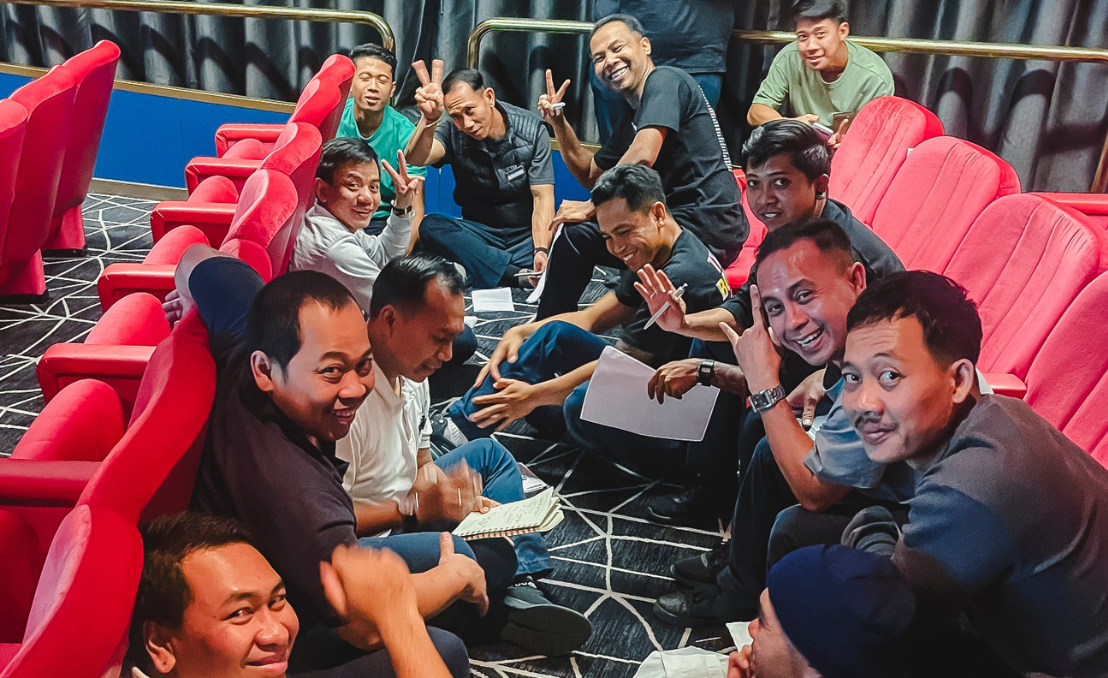
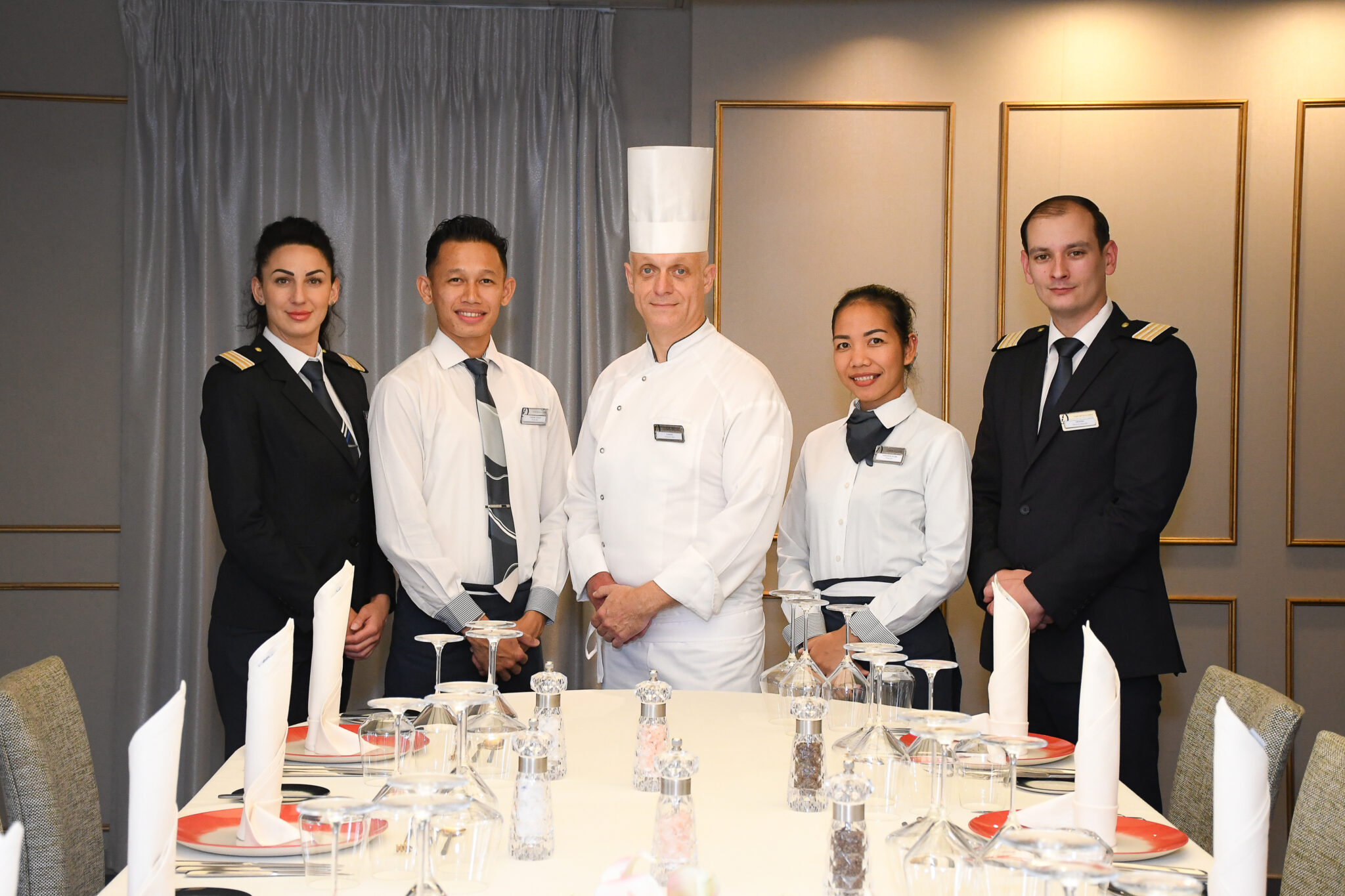
Cruise ships do more than move between ports. They connect thousands of people with coastal destinations around the world. That gives the industry an opportunity not only to reduce its own impact, but also to encourage greater awareness of the environments through which it travels. Guests and crew members can be part of that process.
Simple actions, from reducing single-use materials to respecting local ecosystems and understanding the impact of marine litter, can help reinforce a culture in which travelling by sea also means caring for the sea.
Destinations, ports, operators and local communities all have a role to play. The more closely these stakeholders work together, the greater the opportunity to create practical and lasting improvements.
International Coastal Cleanup itself reflects this idea of shared responsibility: alongside removing litter, volunteers document what they collect, helping build data that can support broader solutions to marine debris.
A responsibility shared across the Group
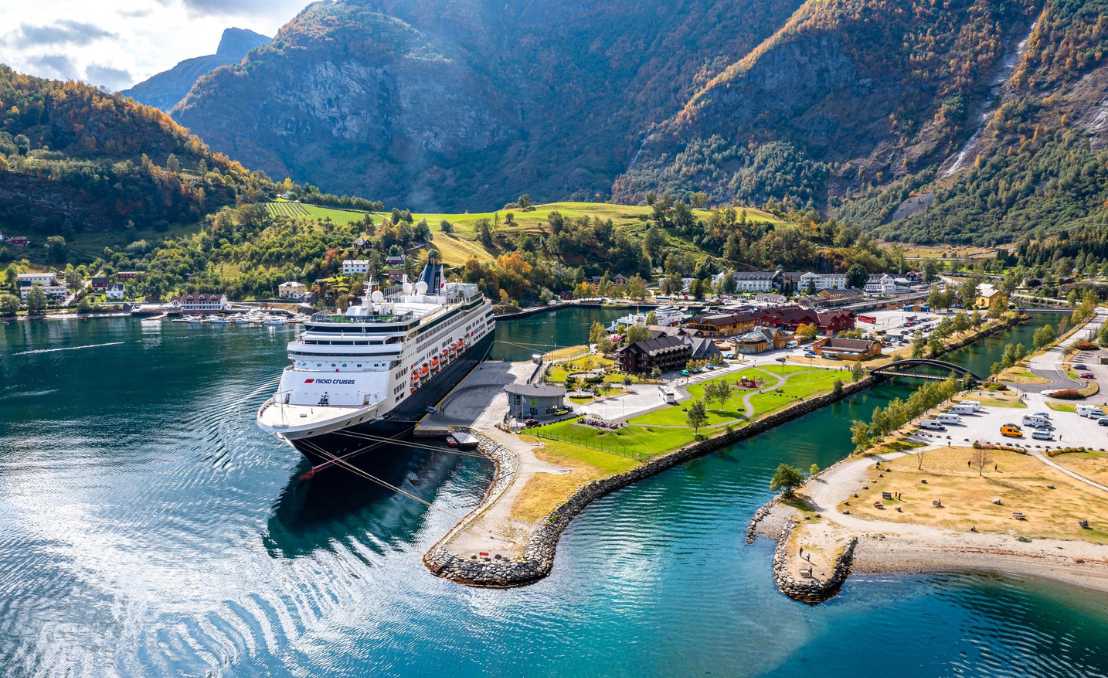
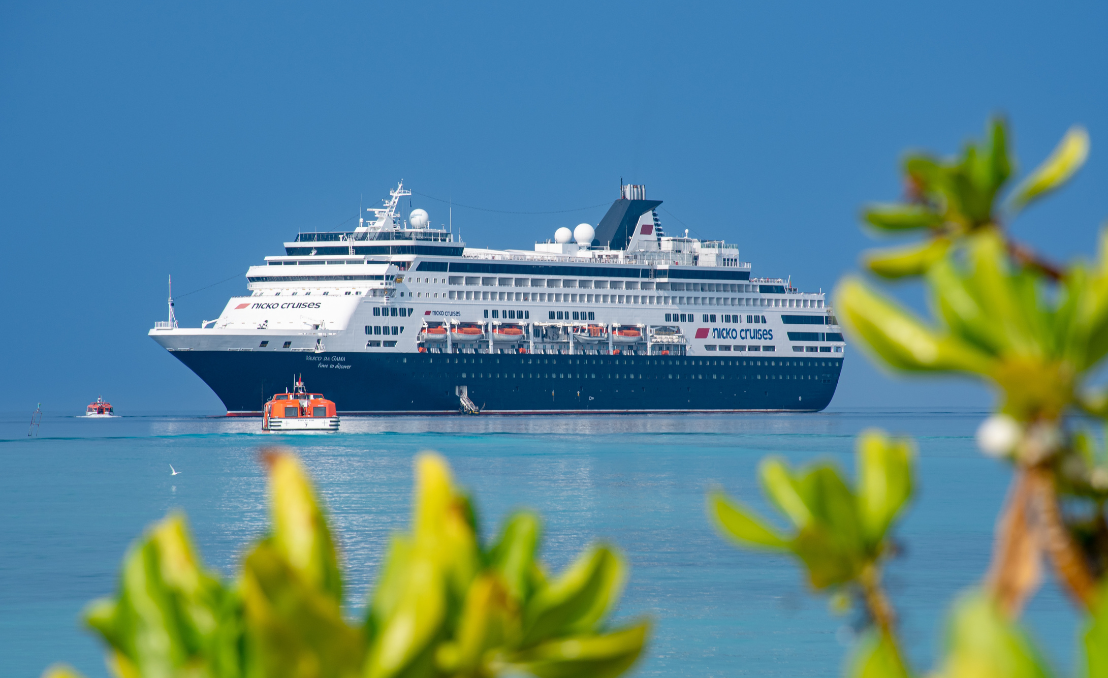
Within MysticInvest Holding, this approach extends across different maritime operations. At Mystic Ocean, our focus includes improving environmental performance on board, reducing waste, increasing efficiency and supporting more responsible operations wherever Vasco da Gama sails.
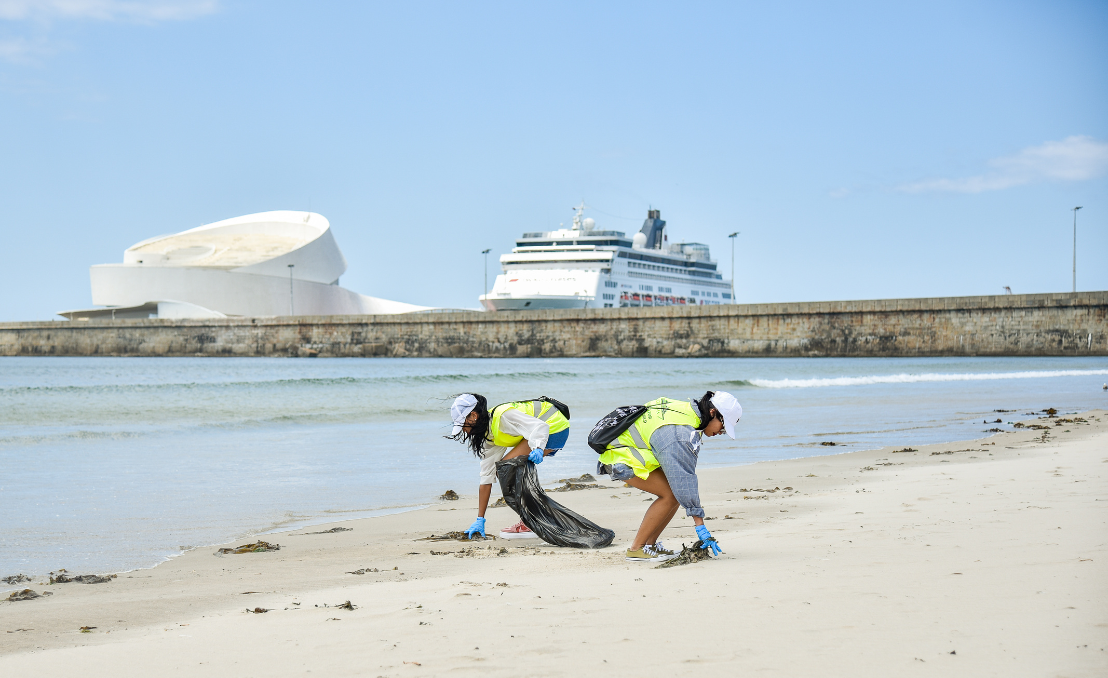
Elsewhere in the Group, the same commitment can take different forms. This summer, for example, Mystic Cruises carried out a series of coastal clean-up actions in Svalbard during the operations of World Voyager.
Across five activities, teams removed 53.5 kg of marine litter from more than one kilometre of coastline.
The context is very different from that of a traditional ocean cruise. But the principle is the same: when access to a destination creates an opportunity to contribute positively, that opportunity should not be ignored.
The clean-ups also reinforced an important reality. Geographic isolation does not protect remote coastlines from marine pollution. Ropes, fishing gear, plastics and other debris can travel considerable distances before eventually reaching shore.
Clean-ups matter, but prevention matters more
Removing waste from a beach has an immediate and visible impact. But clean-ups alone cannot solve the problem of marine litter. The long-term answer lies in prevention.
For the cruise industry, this means continuing to examine how materials are sourced and used, how waste is managed and separated, how technology can improve environmental performance and how guests and crew can be encouraged to make more conscious choices.
It also means recognising that sustainability is not a single initiative or a single day in the calendar. It is a continuous process of improvement.
That principle applies far beyond cruising. Ocean Conservancy’s own International Coastal Cleanup programme combines direct clean-up action with data collection and wider efforts to address the sources of marine debris, highlighting the importance of preventing waste before it reaches beaches and waterways.
Protecting the places that make travel possible
Coastal destinations are central to cruising. Ports, waterfront cities, islands and coastal landscapes are part of what makes travelling by sea such a distinctive experience. Their preservation is therefore closely connected to the future of the industry itself.
International Coastal Cleanup is a useful reminder of that relationship. The cruise industry has the capacity to contribute through better operational practices, collaboration, education and, when appropriate, direct action.
At Mystic Ocean, we believe that every improvement counts, from reducing waste on board to supporting a broader culture of environmental responsibility across the destinations and communities connected by the sea. Because protecting our coastlines is not separate from the way we travel. It is part of ensuring that the places we visit remain worth visiting for generations to come.
Frequently asked questions
What is International Coastal Cleanup?
International Coastal Cleanup is a global initiative led by Ocean Conservancy that mobilises volunteers to remove and document litter from beaches, waterways and coastal areas. The programme began in 1986 and has since involved millions of participants worldwide.
Why is International Coastal Cleanup relevant to the cruise industry?
Cruising depends closely on healthy oceans, ports and coastal destinations. The industry can contribute through waste prevention, responsible operations, environmental awareness, collaboration with destinations and direct action when appropriate.
What does MARPOL Annex V say about waste from ships?
MARPOL Annex V regulates garbage from ships and generally prohibits its discharge into the sea except for limited categories under specific conditions. The disposal of plastics at sea is completely prohibited.
Are beach clean-ups enough to address marine litter?
No. Clean-ups remove existing waste and can generate useful information about marine debris, but prevention remains essential. Reducing unnecessary materials, improving waste management and preventing litter from reaching waterways in the first place are key parts of the long-term response.
How has MysticInvest contributed to coastal clean-up actions?
During Mystic Cruises’ 2026 Arctic operations, World Voyager teams carried out five coastal clean-ups in Svalbard, removing 53.5 kg of marine litter from more than one kilometre of coastline.
How can cruise guests contribute to protecting coastal environments?
Guests can help by reducing unnecessary waste, using reusable alternatives when available, following local environmental guidance, respecting wildlife and coastal ecosystems, and disposing of waste responsibly.
share
More news