Mystic Ocean


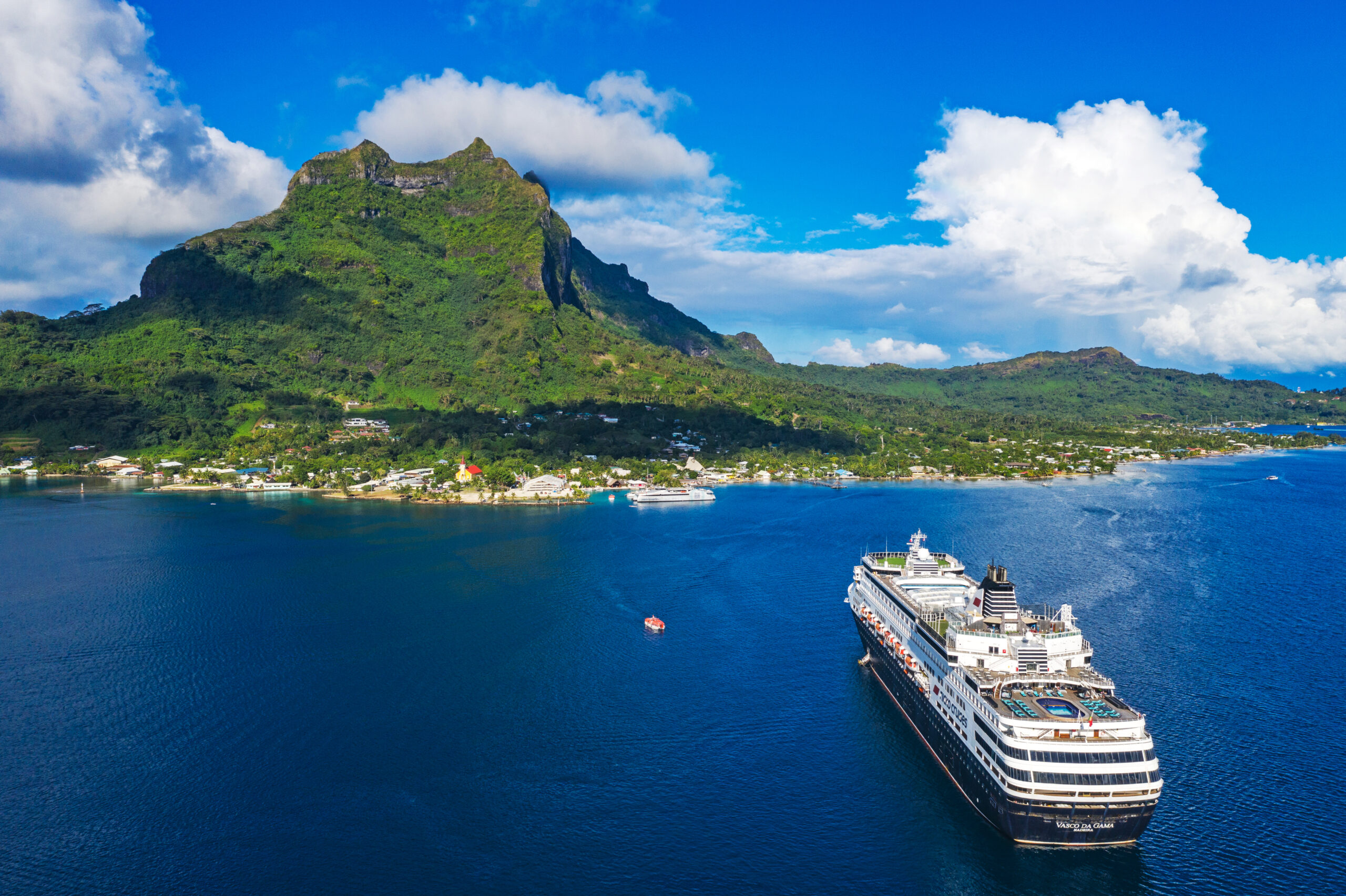
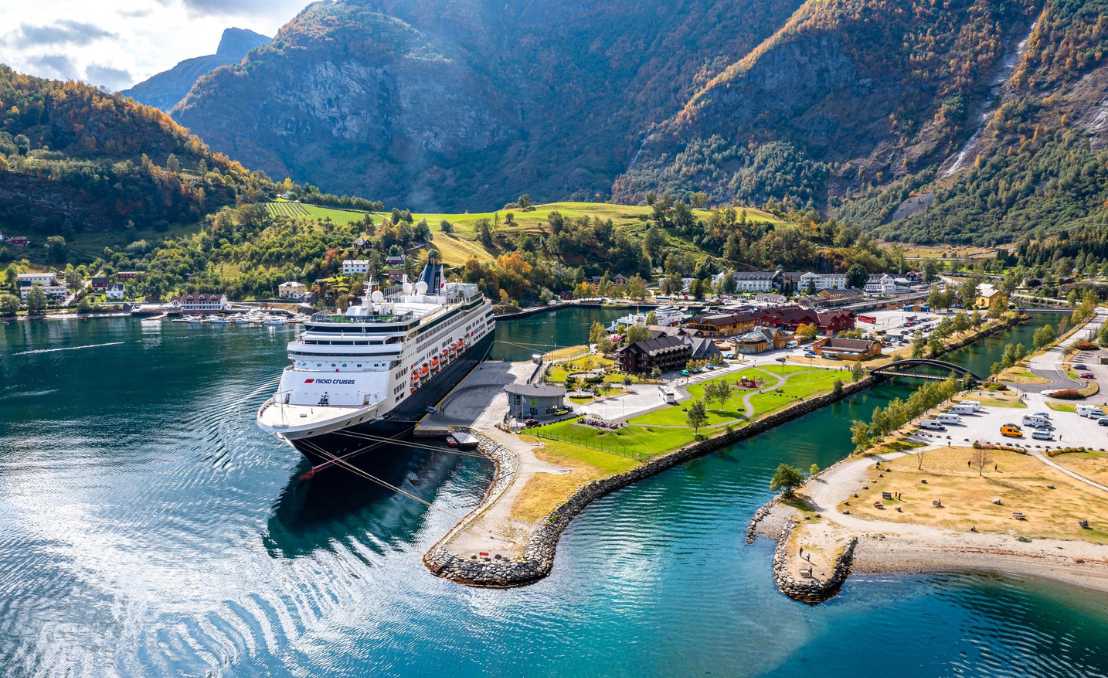
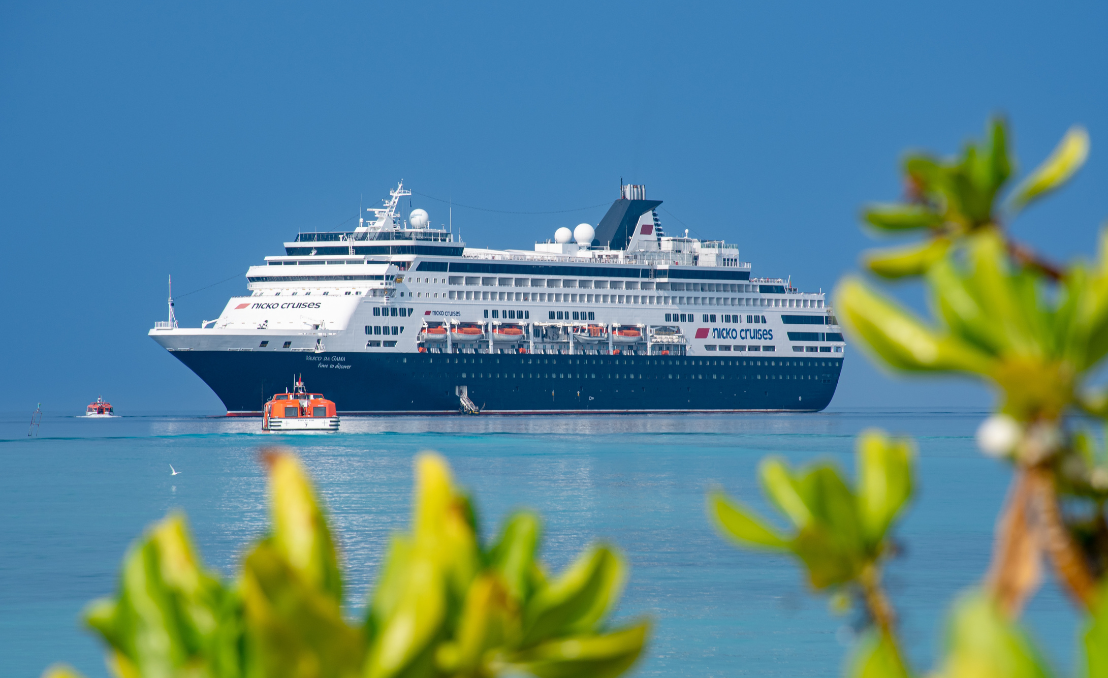
With almost three decades of history, the Vasco da Gama continues to stand out as one of the most iconic ships sailing in international waters. Built for long journeys, the ship has been reborn over the years thanks to an in-depth modernization process that has turned it into a true model of sustainability in the cruise sector.
This boutique vessel, with capacity for 1,000 guests and 550 crew members, combines timeless charm with cutting-edge technology, now delivering levels of efficiency and environmental responsibility that meet some of the most stringent standards in the world.
Technology that extends life and reduces impact
The technical transformation of the Vasco da Gama has been decisive for its current positioning. The extensive modernization and systems upgrades it has undergone have allowed the ship to remain relevant and more sustainable, demonstrating that caring for and optimizing what already exists is, in many cases, one of the best ways to reduce the environmental footprint in the maritime sector.
Among the upgrades implemented, highlights include:
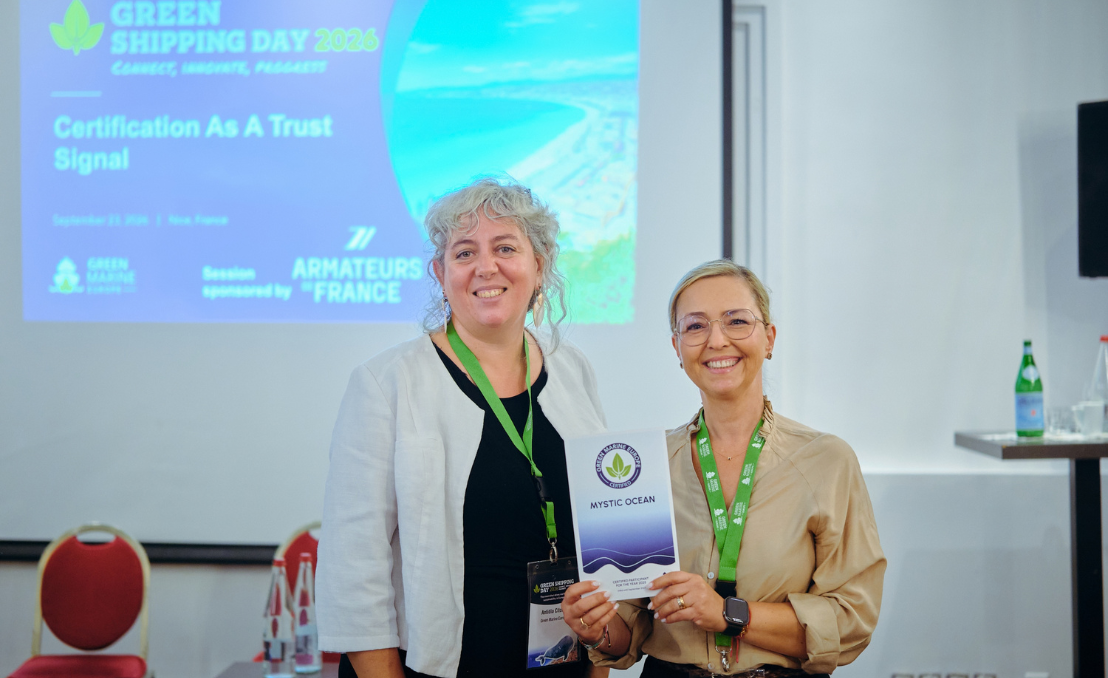
Thanks to these advances, the Vasco da Gama is certified by Green Marine and is authorized to sail in regions with top-level environmental requirements, including particularly sensitive areas of the planet.
More than just a ship, the Vasco da Gama is an example of how preservation and innovation can coexist. Its longevity, combined with technical modernization and responsible operations, proves that the future of maritime tourism also depends on valuing and upgrading existing assets.
The result is a vessel that continues to offer a boutique, intimate experience while respecting new sustainability standards. With every mile sailed, it reinforces its mission: to honour the sea with respect, efficiency and environmental awareness.
share