Sustainability Beyond the Environment: People and Communities
When sustainability is discussed, the first thought is often the environment: reducing emissions, improving energy efficiency, managing resources responsibly or protecting the oceans. These themes are essential in the cruise sector, but they represent only one part of a broader vision.
Sustainability is also built through people. It is present in the way a journey respects local communities, values cultures, creates economic opportunities and promotes a more conscious relationship between those who visit and those who receive.
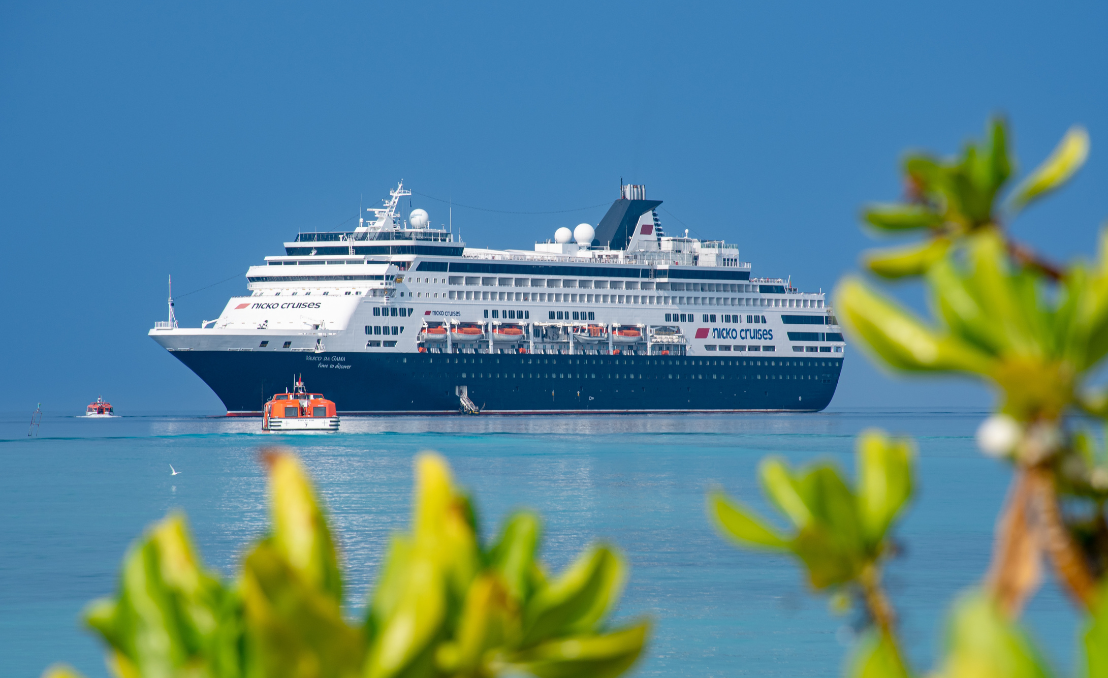
In the world of Mystic Ocean, this approach takes on particular importance. On board the Vasco da Gama, a cruise ship smaller in scale than the largest ships in the sector, with capacity for around 1,000 guests, the experience tends to feel closer, more human and less crowded. This scale allows for a different kind of connection with destinations, onboard teams and the communities visited.
Sustainability is also social
Being sustainable does not mean only reducing environmental impact. It also means contributing to a more balanced form of tourism, where the benefits of travel can reach people and places.
Social sustainability looks at issues such as employment, inclusion, cultural respect, the appreciation of local communities and the creation of fairer relationships between companies, travellers and partners. In the cruise sector, this dimension is especially important, because every port of call represents an opportunity for contact with different realities, traditions and ways of life.
When that relationship is built with respect and awareness, tourism can create value for everyone: for guests, who enjoy more authentic experiences; for communities, whose heritage is recognised; and for the sector itself, which becomes more responsible and better prepared for the future.
Local communities at the heart of the journey
Every destination is much more than a landscape. It is made of people, stories, flavours, traditions, crafts and ways of living. A sustainable approach to tourism recognises this richness and seeks to value it.
The more intimate scale of a ship like the Vasco da Gama can favour a less impersonal experience. With fewer guests than the largest cruise ships, there is greater potential for more balanced visits, more thoughtful interactions and a more sensitive presence in the destinations.
Valuing local communities can take many forms: working with local guides, promoting genuine cultural experiences, encouraging contact with producers, artisans and small businesses, and always respecting the rhythm and identity of each place.
In this way, tourism ceases to be merely a quick stop at a destination and becomes a real opportunity for exchange.
Culture, identity and respect
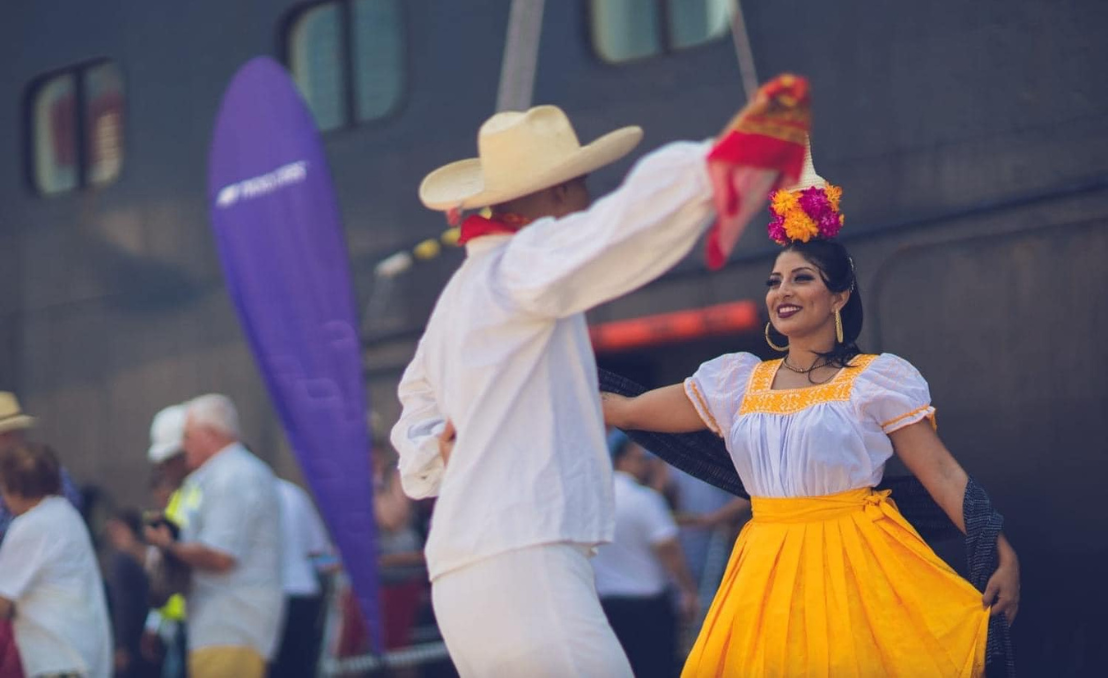
Sustainability is also measured by the way the identity of the places visited is respected. Every community has its own customs, traditions, history and its own way of welcoming others.
Travelling consciously means observing, listening and understanding. It means respecting religious spaces, local traditions, cultural norms and ways of life different from our own. It also means avoiding a superficial view of destinations and instead seeking to understand the human and cultural context that gives them meaning.
In cruising, this responsibility is shared. Companies have an important role in preparing shore experiences, selecting local partners and presenting each destination to guests. Travellers, in turn, contribute through their choices, attitudes and behaviour.
More sustainable tourism often begins with simple gestures: buying locally, respecting guides’ instructions, avoiding intrusive behaviour, asking permission before photographing people and valuing cultural heritage with care and respect.
The value of the people on board
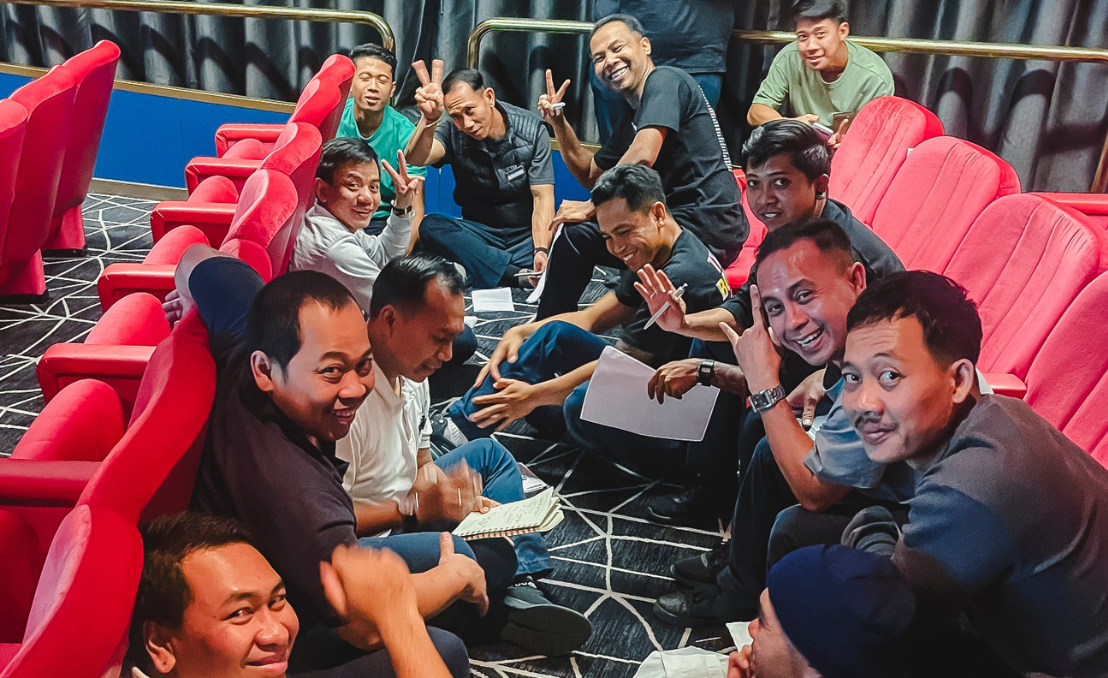
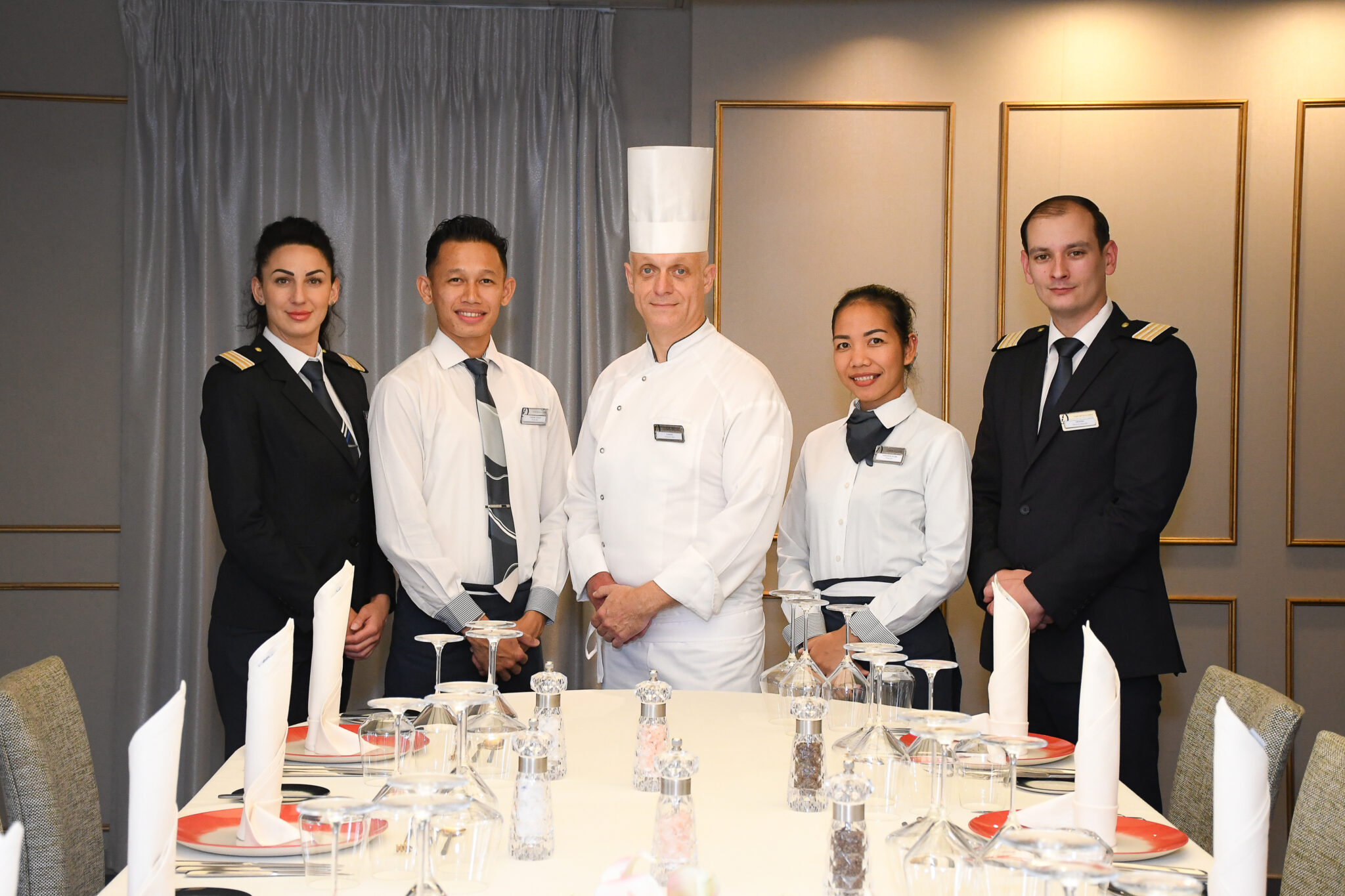
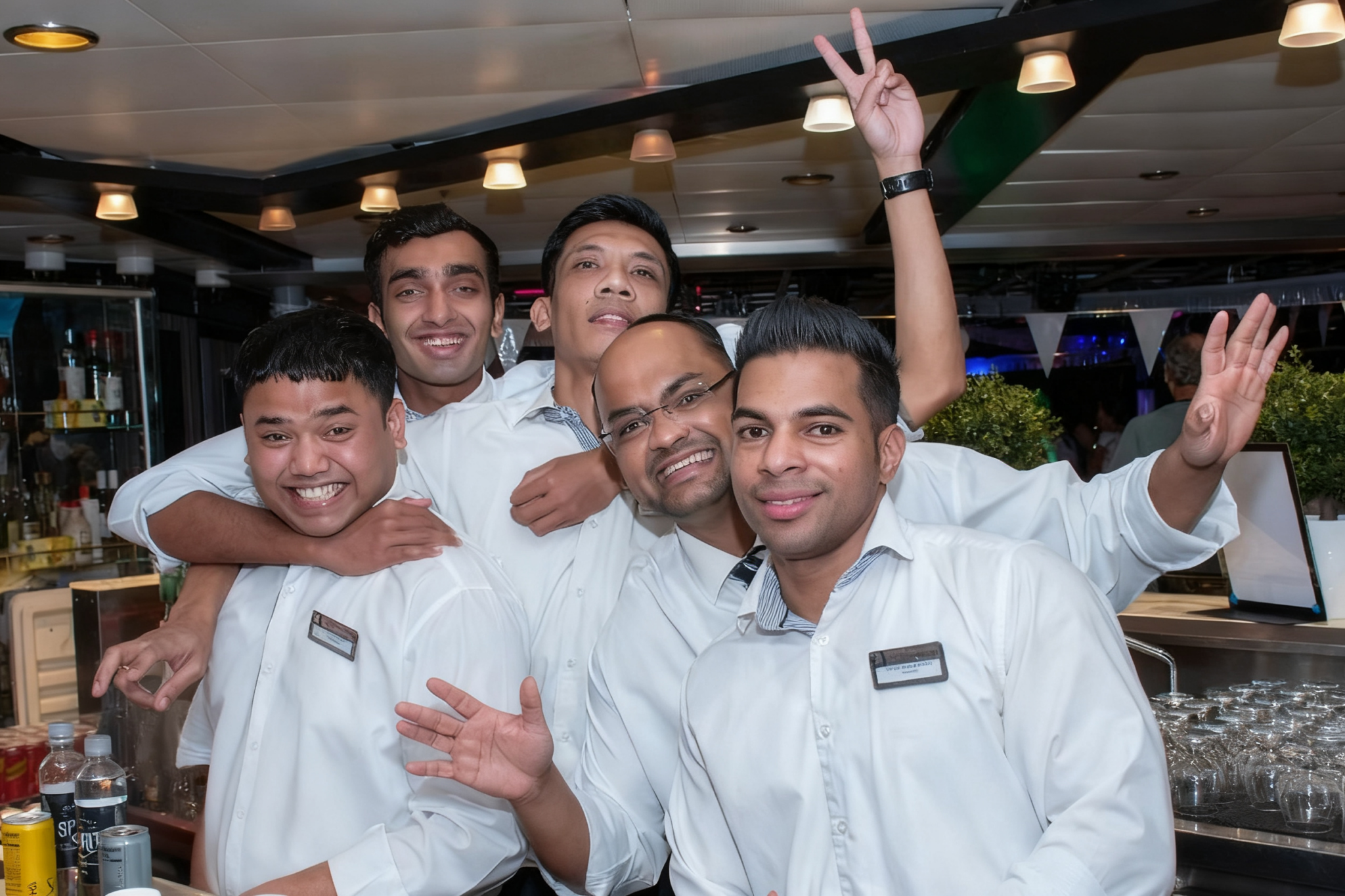
Social sustainability also takes place within the ship itself. The cruise experience is built every day by many people: crew, hospitality teams, food and beverage staff, entertainment, maintenance, navigation, guest services and operational support.
These are the teams that guarantee the comfort, safety and quality of the journey. Recognising their role is essential within a fuller vision of sustainability.
On a smaller-scale ship such as the Vasco da Gama, the relationship between guests and crew can become closer. The experience tends to be less anonymous, allowing for a warmer and more personalised atmosphere. This human dimension is an important part of the identity of the voyage.
Caring for the people who make the experience possible is just as important as caring for the destinations visited. Training, respect, wellbeing and professional recognition are all part of more responsible tourism.
Less crowding, more connection
Large cruise ships often carry several thousand guests. While they have their own position within the market, this model can represent a very intense presence in certain destinations, especially smaller cities, islands or places with more limited tourism capacity.
By welcoming around 1,000 guests, the Vasco da Gama offers a smaller-scale alternative. It is not an expedition ship, but rather a classic cruise ship with a more balanced dimension. This characteristic can contribute to a calmer experience, both on board and ashore.
Fewer guests can mean smoother landings, more comfortable visits and a more harmonious relationship with destinations. It can also allow travellers to feel the local atmosphere more fully, rather than simply passing quickly through it.
This more human scale is especially relevant when discussing social sustainability, because it helps place the quality of the experience above sheer quantity.
Tourism that creates value
For tourism to be truly sustainable, it is important that it generates concrete benefits for the destinations visited. This can happen through the stimulation of the local economy, the creation of job opportunities, the promotion of regional products and the appreciation of cultural heritage.
When guests choose local restaurants, visit markets, buy authentic crafts or take part in experiences led by people from the community, they are contributing to a fairer distribution of the value created by tourism.
This positive impact does not happen by chance. It depends on planning, responsible partnerships and a vision that recognises destinations as living communities, not simply as points on an itinerary.
Educating for better travel
Sustainability also depends on raising travellers’ awareness. The better informed people are, the more conscious their choices become.
Sharing information about destinations, explaining local customs, providing context for traditions and promoting good visiting practices are ways of turning a journey into a richer experience. The passenger stops being just an observer and takes on a more active role in the way they relate to each place.
Travelling better means understanding that every destination has its own story, and that our presence should be respectful, discreet and positive.
A fuller vision of sustainability
Sustainability beyond the environment invites us to look at tourism in a more human way. Protecting the planet is essential, but protecting people’s dignity, the value of cultures and the balance of communities is equally important.
In the context of Mystic Ocean, this vision is reflected in a way of travelling that is closer, more conscious and less crowded. Because of its smaller scale when compared with the largest cruise ships, the Vasco da Gama allows for an experience in which the relationship with destinations, crew and fellow guests can be lived more authentically.
In the end, sustainability lies not only in what is reduced, but also in what is built: fairer relationships, more meaningful experiences and a form of tourism that respects those who live in the places we visit.
Because travelling sustainably is much more than protecting the environment. It is about caring for people, communities and the stories that make every destination unique.
share
More news