Energy Efficiency in Cruise Ships: sailing better, consuming less
Discover why energy efficiency in cruise ships is essential to reduce consumption, improve operations and prepare the sector for the future.
Marked on 29 May, World Energy Day is an opportunity to reflect on how different sectors can use energy resources more responsibly. In maritime tourism, and particularly in the cruise industry, energy efficiency has become a strategic priority: not only to reduce consumption and emissions, but also to make ship operations more intelligent, sustainable and better prepared for the future.
Cruise ships are true floating cities. On board, energy is needed for propulsion, climate control, lighting, water production, the operation of kitchens, laundries, digital systems, technical areas and leisure spaces. This complexity makes energy management one of the major challenges of modern maritime operations.
What does energy efficiency mean on a cruise ship?
Energy efficiency means using less energy to achieve the same performance or, ideally, an even better one. On a cruise ship, this can mean more efficient engines, optimised routes, better speed management, low-consumption lighting systems, heat recovery, smart equipment and technologies that reduce the need for fuel.
Since 2023, the International Maritime Organization has made the application of instruments such as the EEXI -Energy Efficiency Existing Ship Index and the CII – Carbon Intensity Indicator, mandatory, in order to assess and monitor the energy and carbon performance of ships. These measures are part of the global effort to reduce the carbon intensity of maritime transport.
Technology in the service of more efficient navigation
Energy efficiency begins even before a ship enters service. Hull design, material choice, weight distribution and the efficiency of propulsion systems all directly influence fuel consumption. Optimised hulls reduce water resistance, while more efficient propellers and modern propulsion systems help improve performance at sea.
On board, digitalisation also plays an increasingly important role. Advanced monitoring systems make it possible to follow energy consumption in different areas of the ship in real time. This information helps technical teams adjust operations, identify waste and make faster, more informed decisions.
Another relevant example is heat recovery. Part of the thermal energy generated by the engines can be reused to heat water or support other technical systems, reducing the need to generate additional energy.
The importance of daily operation
Energy efficiency does not depend on technology alone. The way a ship is operated makes a significant difference. Speed management, for example, is one of the most effective measures for reducing fuel consumption. Small adjustments to speed can generate meaningful savings, especially on longer itineraries.
Route planning is equally essential. By taking into account weather conditions, sea currents, distance, arrival times and port requirements, teams can define more efficient routes and avoid unnecessary consumption.
Hotel operations on board also contribute to efficiency. LED lighting, motion sensors, smart climate-control systems, more efficient galley equipment and good maintenance practices help reduce energy consumption without compromising guest comfort.
Shore power connection
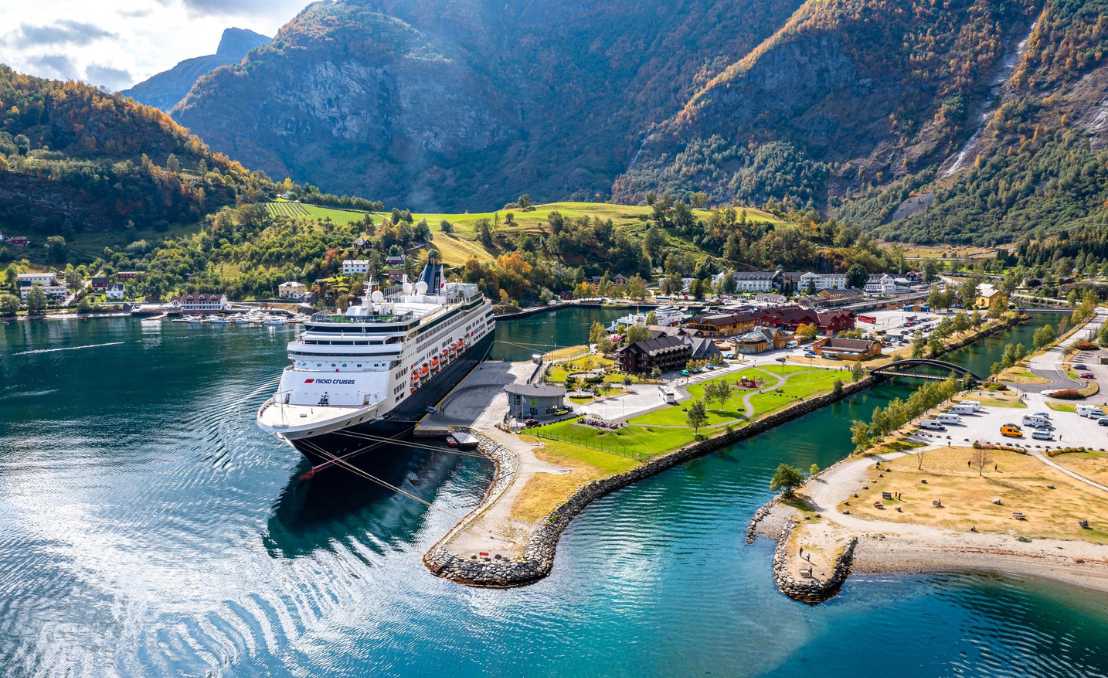
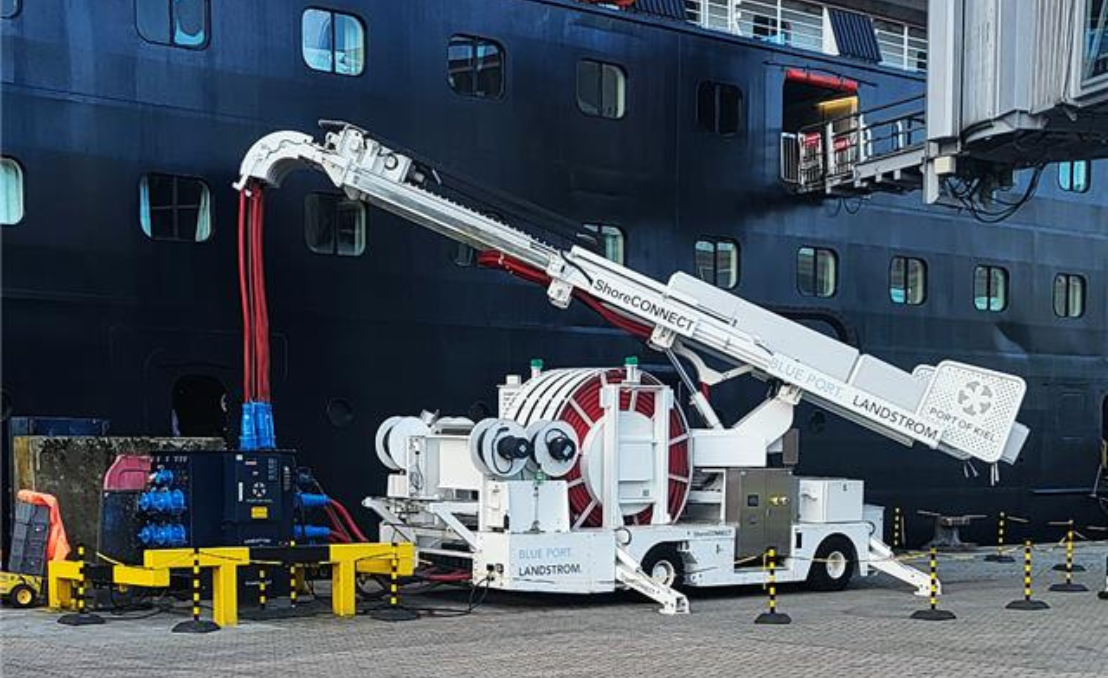
One of the most relevant solutions for reducing emissions during port calls is the connection of ships to the electricity grid on shore, known as shore power or cold ironing. When available, this technology allows the ship to switch off its auxiliary engines while berthed, using electricity supplied by the port to keep essential systems running.
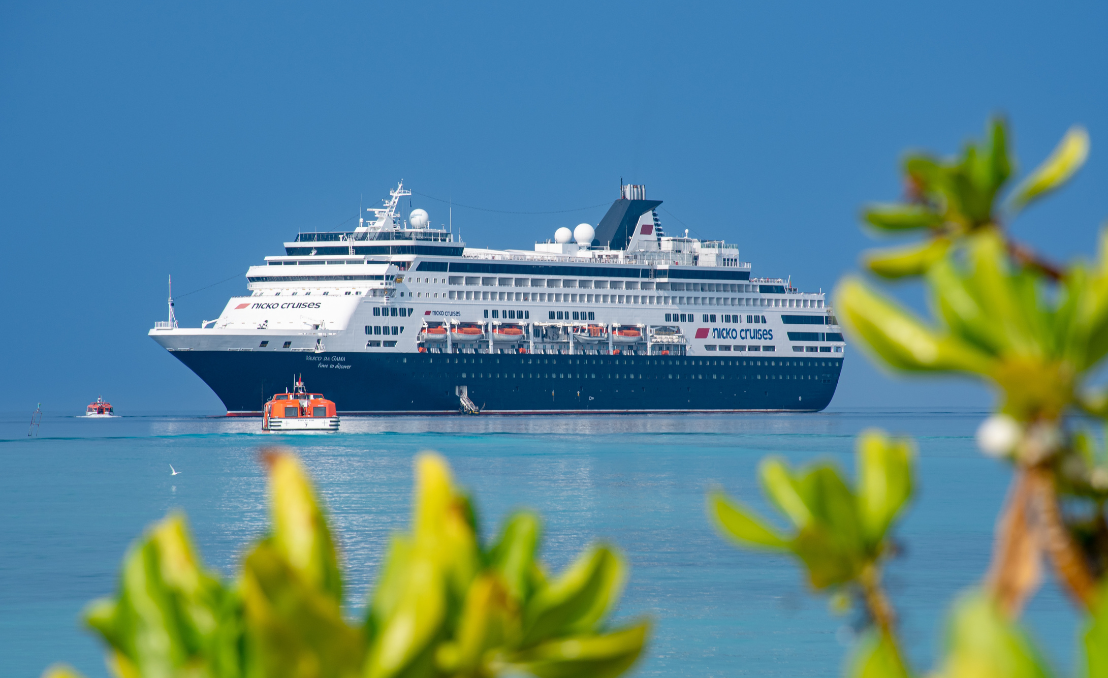
In the case of the Vasco da Gama, the ship is equipped for shore power connection, representing an important step in strengthening energy efficiency and reducing environmental impact during time spent in port.
The adoption of this technology depends not only on ships, but also on port infrastructure. CLIA has highlighted the industry’s growing investment in environmental technologies, including readiness for shore power connection and solutions linked to the energy transition in the cruise sector.
Alternative fuels and energy transition
Energy efficiency is a central part of the answer, but it is not the only one. The transition to lower-impact fuels is another path under development. Liquefied natural gas, biofuels, methanol, hydrogen, synthetic fuels and fuel-cell technologies are among the solutions being studied or already in different stages of implementation.
Even so, the energy transition in the maritime sector is complex. It requires fuel availability, new port infrastructure, technological investment, suitable regulation and large-scale operational validation. That is why energy efficiency remains essential: regardless of the fuel used, consuming less energy will always be both an environmental and an operational advantage.
Energy efficiency and the guest experience
An important point is that energy efficiency does not mean reducing the quality of the onboard experience. On the contrary, many efficient systems improve guest comfort. Smarter climate control, adjusted lighting, lower noise levels, better resource management and smoother operations all contribute to a more pleasant experience.
Moreover, travellers are becoming increasingly attentive to the impact of their choices. Sustainability is no longer merely a technical detail; it has become a factor of reputation, trust and differentiation in tourism.
An ongoing commitment
Energy efficiency in cruise ships is not limited to one isolated technology. It is the result of many combined decisions: naval design, maintenance, crew training, itinerary planning, investment in innovation, collaboration with ports and close monitoring of environmental indicators.
At a time when the maritime sector is seeking to reduce emissions and align itself with global climate targets, sailing more efficiently is an unavoidable priority. World Energy Day reminds us of exactly that: the energy we save today is part of the solution for a more responsible future.
For cruise shipping, the challenge is clear: to continue connecting people, destinations and cultures while doing so with greater energy awareness, lower environmental impact and a long-term vision.
share
More news