Behind the planning of a World Cruise
For guests, a world cruise begins on embarkation day. For the teams behind it, world cruise planning starts much earlier.
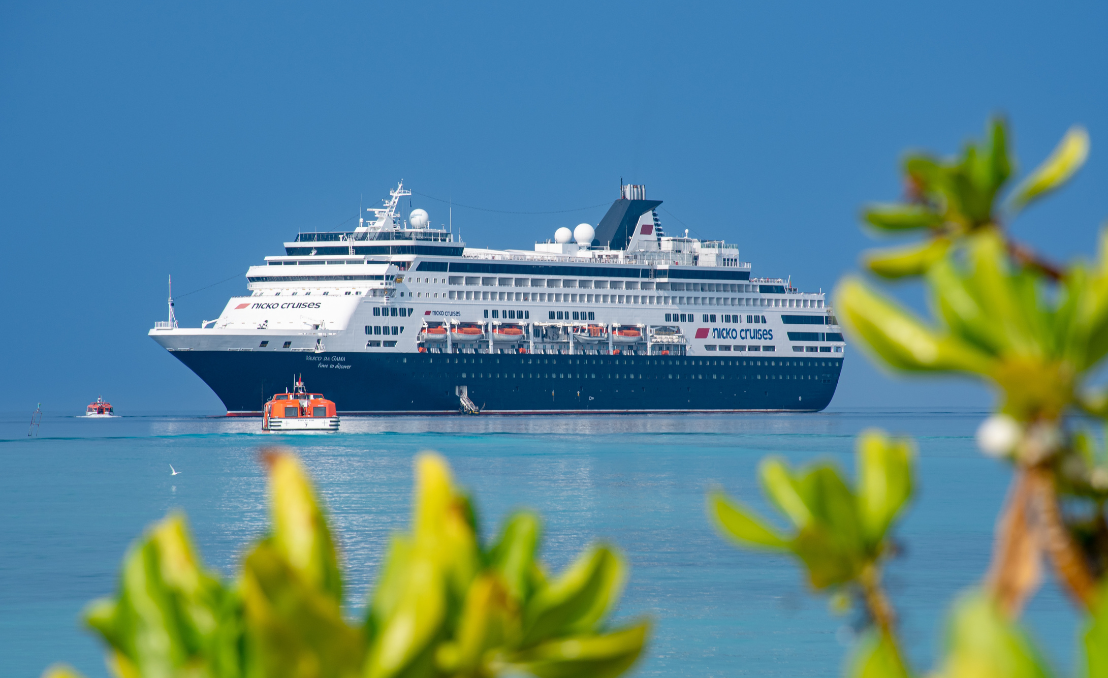
Long before Vasco da Gama leaves port, hundreds of decisions have already been made: which destinations can be combined into a viable route, where the ship can berth, when provisions will be loaded, how crew rotations will be organised and how excursions can be coordinated across different countries.
A world cruise is therefore much more than an ambitious itinerary. It is a complex maritime operation in which thousands of individual details need to work together over several months at sea.
Planning can begin months or even years before departure, bringing together marine operations, technical teams, crewing, procurement, destination specialists, hotel operations and commercial teams.
It starts with the map – but not every line works at sea
Designing a world cruise begins with a simple question: where do we want to take our guests? From there, the planning quickly becomes more complex.
How far apart are the ports? How much sailing time is required? At what speed does the ship need to travel? Are the destinations suitable for the season? Can the port accommodate a ship of Vasco da Gama’s dimensions? Is a berth available on the intended date? And, just as importantly, does the sequence create a journey that works for the guest?
A world cruise cannot simply connect as many destinations as possible. Sea days, port days, overnight stays and sailing distances need to create a balanced rhythm across a voyage lasting several months.
Canal transits, long ocean crossings and navigation between different regions add further layers of planning, requiring coordination between timing, navigation, ports and wider operational requirements.
Every port is a different operation
From a guest’s perspective, arriving in port may appear straightforward. Operationally, every call is different.
Berth availability needs to be coordinated well in advance with local agents and authorities. Teams assess navigation requirements, terminal infrastructure, arrival and departure procedures and the services required while the ship is alongside.
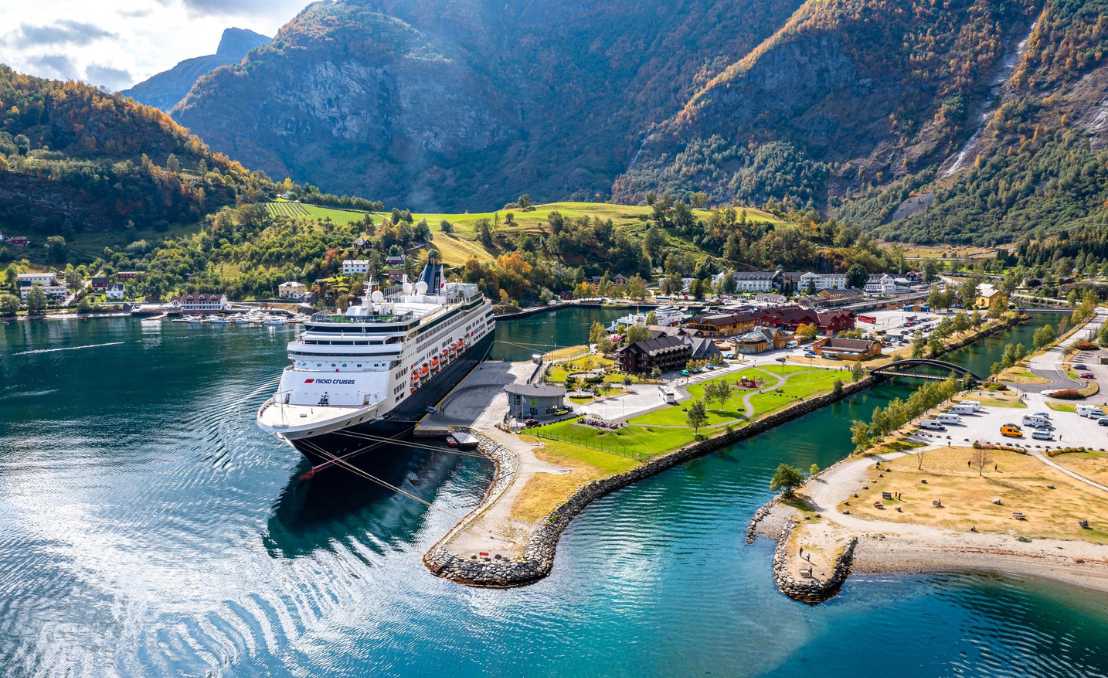
Some destinations allow Vasco da Gama to berth directly. Others may require different arrangements depending on local infrastructure and conditions.
Timing matters too. A later departure may give guests longer ashore, but it also affects the sailing time and speed required to reach the next destination.
Across dozens of ports and countries, these decisions become a major part of the overall planning process.
Fuel, food and everything the ship needs
A ship travelling around the world cannot carry everything she will need for the entire voyage from day one. Supplies have to join her along the way.
Fuel planning is closely linked to the route, expected consumption, sailing distances and the availability of suitable bunkering locations.
Food and beverages require another logistical network. Procurement teams need to anticipate consumption while coordinating deliveries in different regions.
Storage capacity, shelf life, customs requirements, local availability and food safety standards all influence what can be loaded and where.
Hotel supplies, spare parts, technical equipment, uniforms and many other items may also need to reach the ship during the voyage.
What is a routine delivery in one region can become considerably more complex thousands of miles from the company’s usual supply network.
Planning what happens ashore
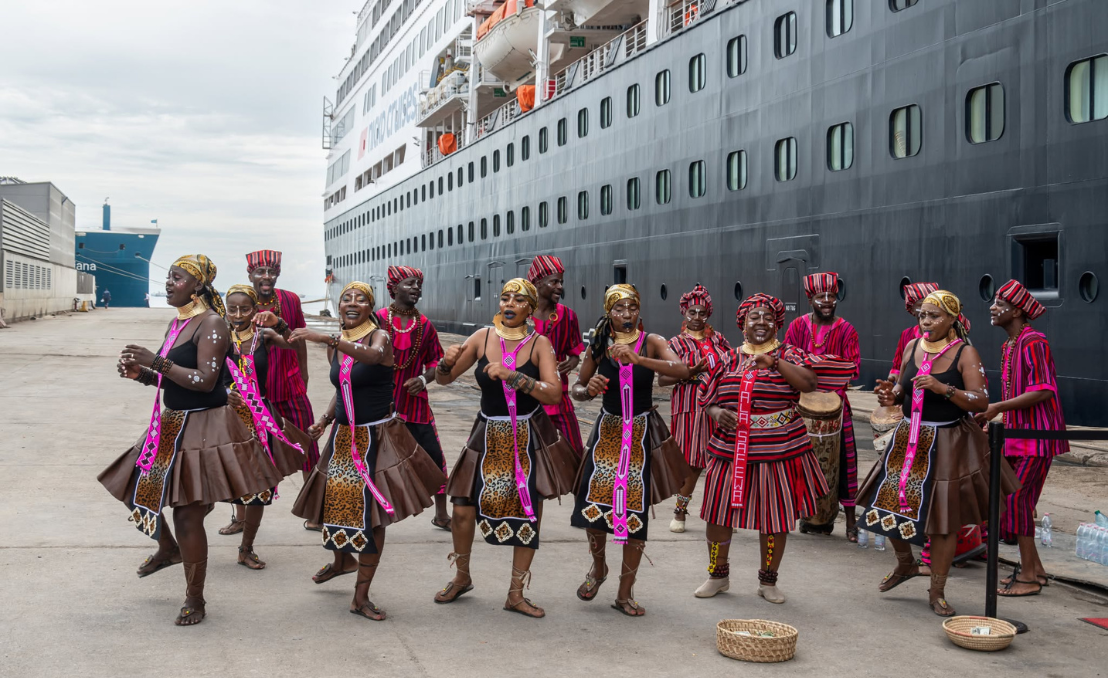
A world cruise is defined not only by where the ship sails, but also by what guests can experience when she arrives. Shore excursions therefore require their own planning process.
Local teams and partners evaluate experiences, transport, journey times, capacity and operational feasibility well before the ship reaches each destination.
In some ports, the main attraction may be close to the harbour. In others, guests may travel further inland or take part in extended programmes.
Every excursion must ultimately fit the ship’s operational schedule, allowing guests enough time ashore while ensuring the ship can depart safely and on schedule.
One voyage, many countries and many requirements
A world cruise crosses numerous legal and administrative environments. Visa requirements, immigration procedures, customs rules and port documentation vary between countries and may change over time.
Different requirements can also apply to guests and crew depending on nationality and itinerary.
Documentation therefore becomes a continuous process rather than something handled only before embarkation.
Teams monitor upcoming requirements and coordinate with port agents and relevant authorities throughout the voyage.
Crew rotations require their own planning
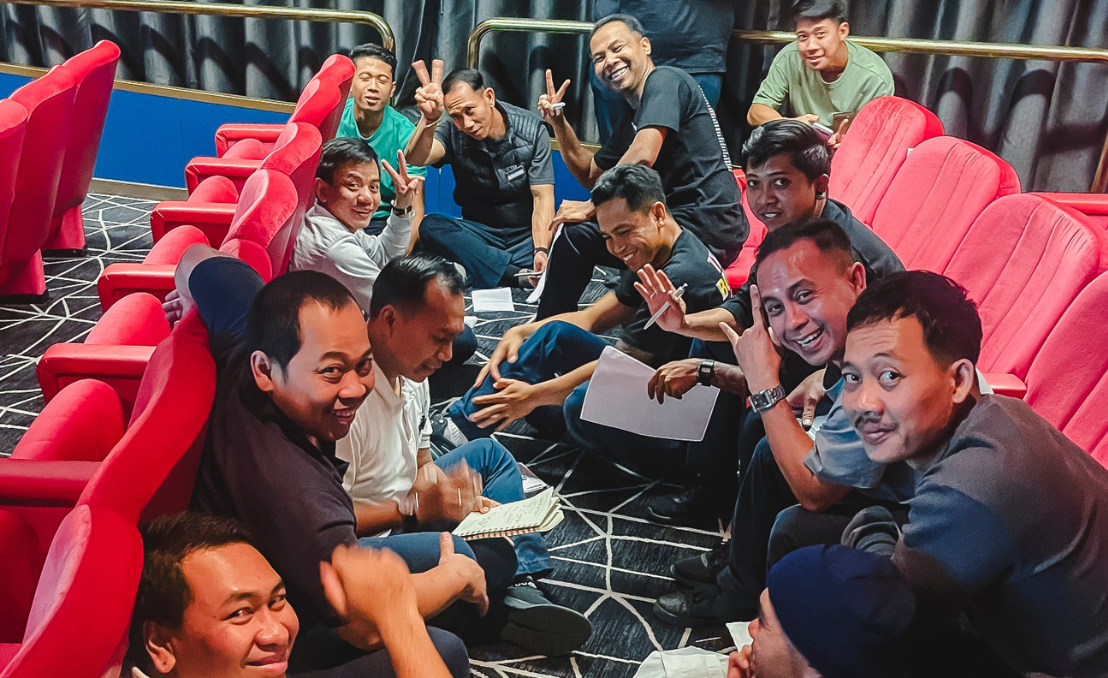
Guests may remain on board for several months, but crew rotations follow a different rhythm. Vasco da Gama operates with approximately 550 crew members across Deck, Engine, Hotel and other departments.
Crew changes therefore need to be planned throughout the itinerary. Flights must connect with the ship’s location. Visas and entry requirements need to be considered. Contracts, medical documentation and maritime certifications must remain valid, while replacement crew need to arrive in time to maintain continuity within each department.
Even a delayed flight can become an operational issue when the workplace is a ship preparing to leave for another country. That is why crewing plans require both preparation and flexibility.
Maintaining a ship while she travels
A world cruise does not interrupt the normal technical requirements of operating a vessel. Routine maintenance continues throughout the voyage.
Technical teams monitor equipment, carry out planned work and respond to operational needs as they arise. Spare parts and specialist support may need to be coordinated with ports hundreds or thousands of miles ahead.
The same applies to hotel operations. Cabins need to be prepared, kitchens continue working every day, laundry operates continuously and public areas require constant attention.
The scale of a world cruise ultimately depends on thousands of routine tasks being completed consistently.
Planning for what cannot be planned
One of the most important parts of world cruise planning is accepting that the original plan may need to change.
Weather can affect navigation. Ports can become unavailable. Local circumstances may change. Technical requirements or regulatory decisions may require schedules to be adapted.
For a voyage lasting several months, flexibility is not an exception to planning. It is part of planning.
Operational teams continuously review upcoming stages and assess alternatives whenever circumstances require them.
The objective is not simply to follow a line drawn on a map months earlier, but to manage the voyage safely and responsibly as real conditions develop.
Many teams, one moving operation
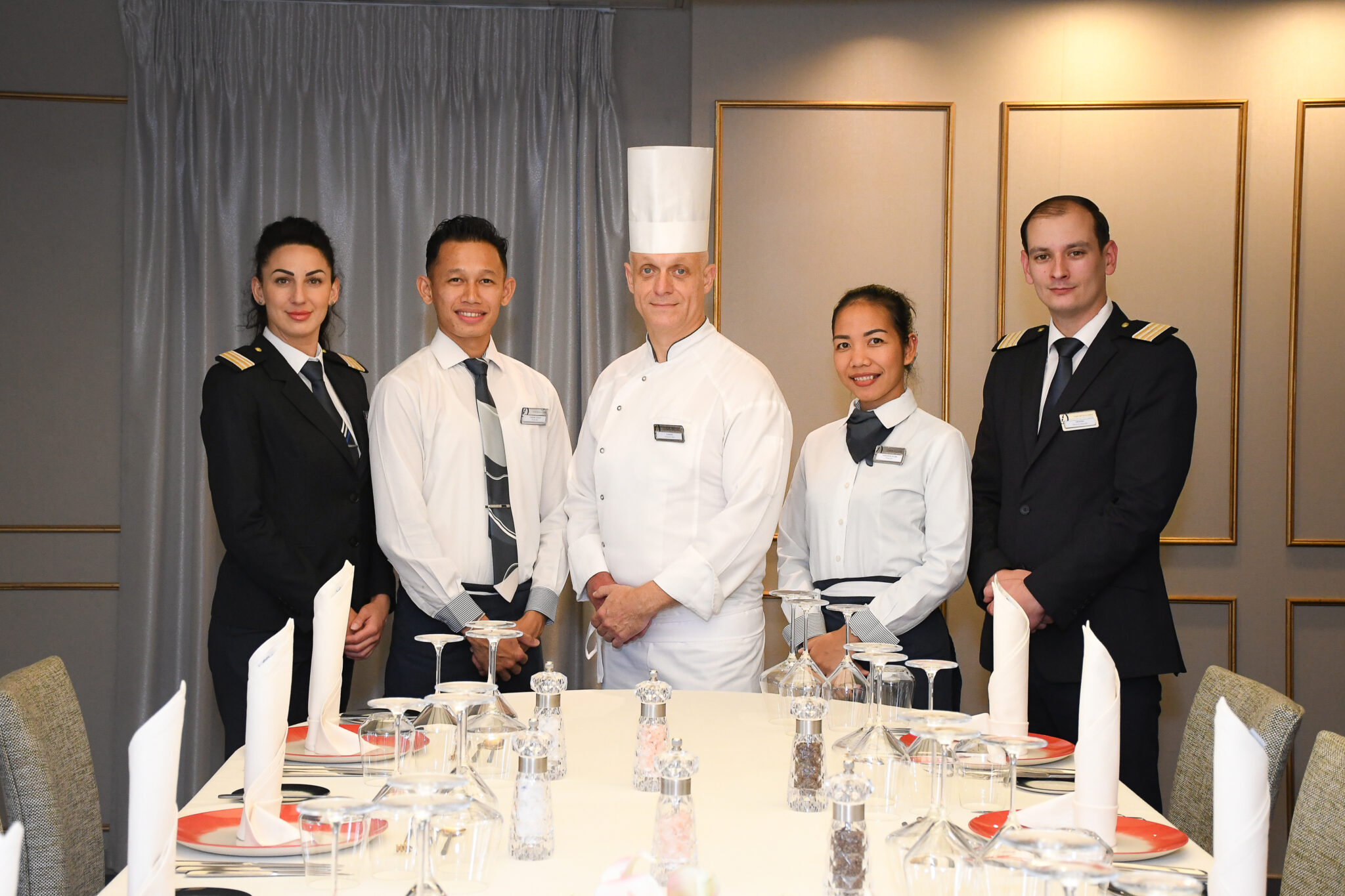
There is no single department responsible for planning a cruise around the world. Marine Operations analyses navigation and ports. Technical teams assess the ship’s requirements. Procurement manages supplies. Crewing coordinates hundreds of people joining and leaving the ship. Destination teams develop experiences ashore. Hotel Operations prepares for months of welcoming guests on board, while Commercial teams shape the journey that will be presented to the market.
By the time the ship departs from her first port, much of this work has already taken place. But the planning only truly ends when she reaches her final destination.
Frequently Asked Questions
How long does it take to plan a world cruise?
Planning can begin months or even years before departure, depending on the itinerary, ports, operational requirements and commercial planning involved.
What needs to be planned for a world cruise?
Planning covers areas including routing, ports, fuel, provisions, excursions, crew rotations, visas, immigration, maintenance, hotel operations and onboard programming.
How are ports selected for a world cruise?
Teams consider factors such as distance, sailing time, seasonality, berth availability, local infrastructure, navigation requirements and whether the destination fits the wider itinerary.
How are supplies managed during a world cruise?
Fuel, food, beverages, hotel supplies, technical equipment and spare parts are loaded at different stages of the voyage according to operational needs, storage capacity and local availability.
Do crew members remain on board for the entire world cruise?
Not necessarily. Crew rotations take place throughout the voyage, requiring coordination of flights, visas, contracts, medical documents and maritime certifications.
Can a world cruise itinerary change after departure?
Yes. Weather, port availability, technical requirements, regulatory decisions and other local conditions may require adjustments during the voyage.
share
More news