Norway: a more sustainable destination
Sustainable tourism in Norway begins with a simple idea: nature is not only the main reason to visit the country. It is also a form of heritage that should guide how every journey is planned and experienced.
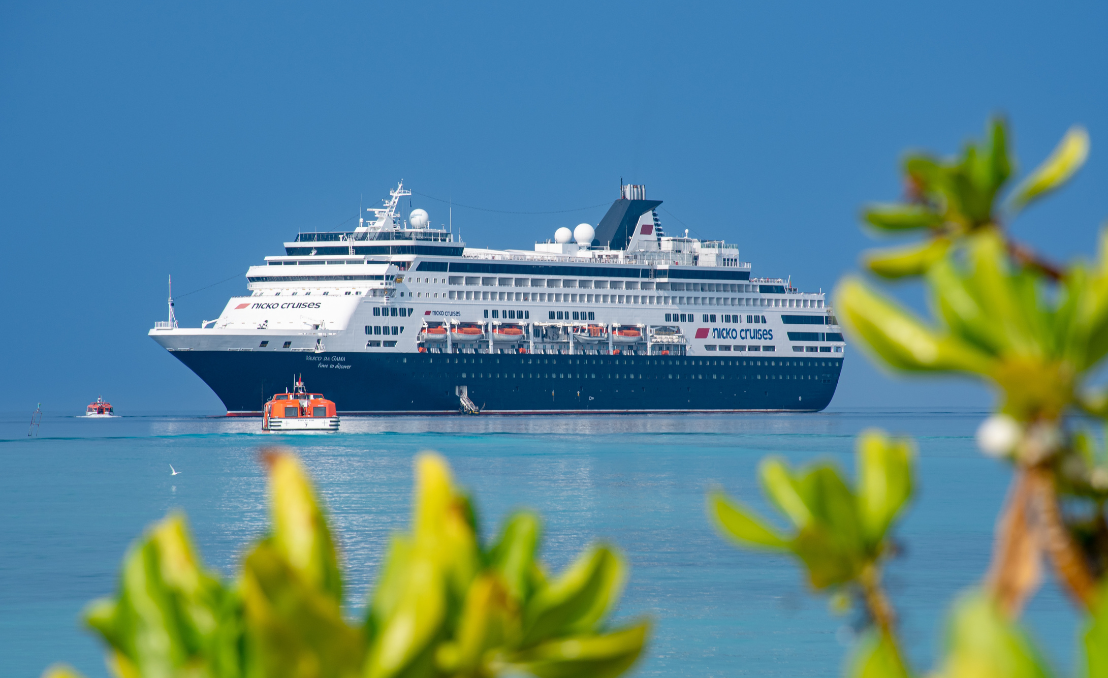
With Vasco da Gama sailing along the Norwegian coast this summer and visiting destinations such as Bergen, Nordfjordeid, Svolvær, Honningsvåg, Hammerfest, Harstad and Ålesund, this is the right time to learn more about a country seeking to balance tourism, maritime innovation and environmental protection. But what makes Norway a European reference when it comes to more sustainable tourism?
Fjords: landscapes that require protection
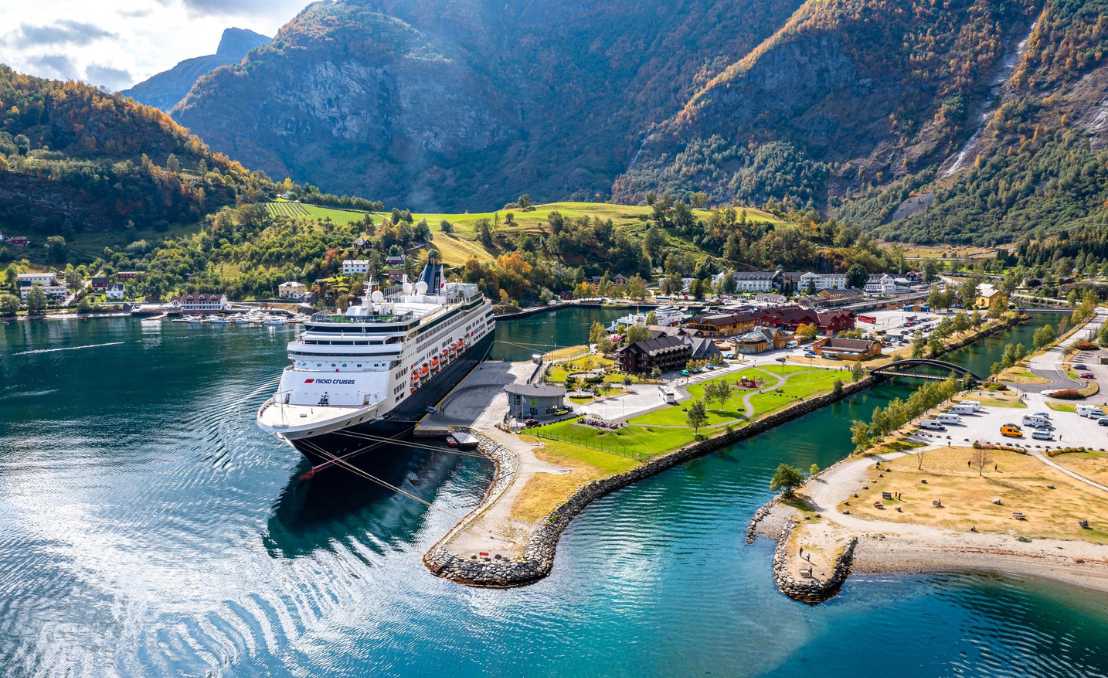
Norway has more than one thousand fjords, formed over successive glacial periods. Defined by mountains, waterfalls and deep waters, these landscapes are both one of the country’s most recognisable symbols and some of its most sensitive ecosystems.
Protecting the fjords means controlling emissions, discharges, noise, vessel traffic and tourism pressure. It also means recognising that an extraordinary landscape cannot be treated merely as a backdrop.
In the World Heritage fjords, Nærøyfjord, Aurlandsfjord, Geirangerfjord, Sunnylvsfjord and Tafjord, Norway has introduced progressive zero-emission requirements for passenger ships.
Since 1 January 2026, these requirements have applied to vessels below 10,000 gross tonnes. For larger ships, they will come into force in 2032. The use of shore power is mandatory whenever the infrastructure is available.
This approach shows that preserving the fjords depends on more than good intentions. It requires clear regulations, technological investment and adaptation across the entire maritime sector.
Protecting nature is part of the experience
In Norway, tourism sustainability goes beyond reducing emissions. It includes visitor management, biodiversity protection and the creation of experiences that respect local communities.
The country has a national programme for the development of more sustainable destinations, coordinated by Innovation Norway. The initiative encourages destinations to work continuously in areas such as nature conservation, mobility, the promotion of local culture and the distribution of visitors across different seasons and regions.
The aim is not to prevent people from discovering Norway, but to ensure that tourism does not destroy what makes the country so special.
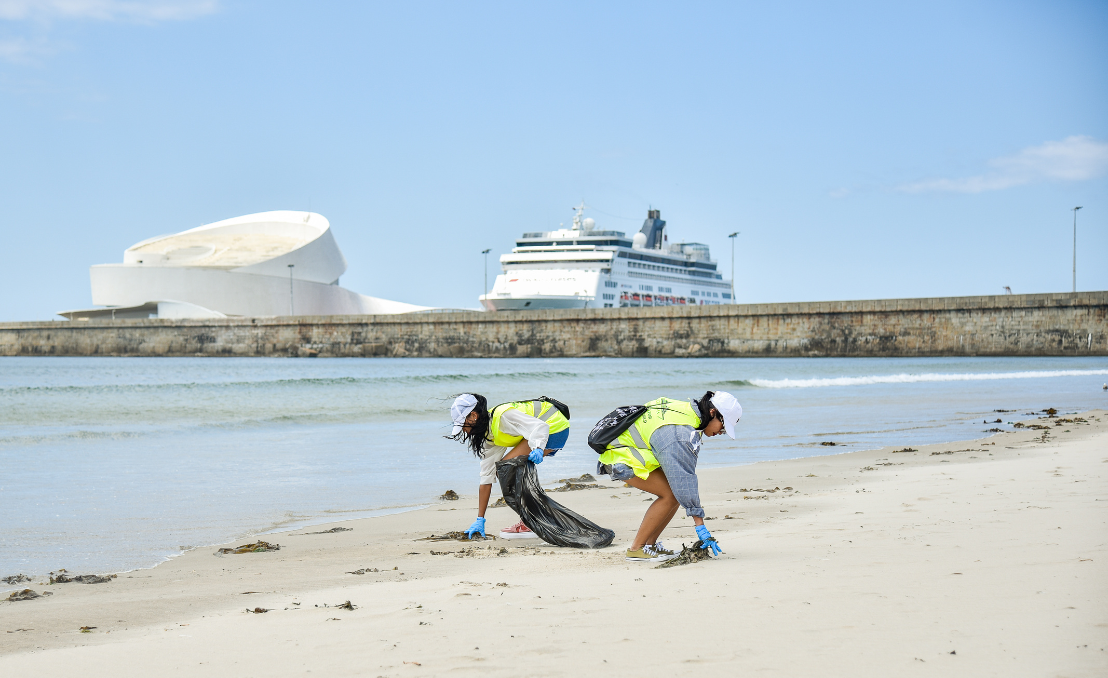
Travelling responsibly can involve simple choices, such as respecting trails, reducing waste, choosing certified operators, using public transport and avoiding excessive visitor concentration in the best-known locations.
Sustainability therefore becomes a shared responsibility between authorities, businesses, residents and visitors.
Increasingly electrified ports
Ports play an essential role in the transformation of the maritime sector. In Norway, port electrification and the development of shore power systems have become increasingly important.
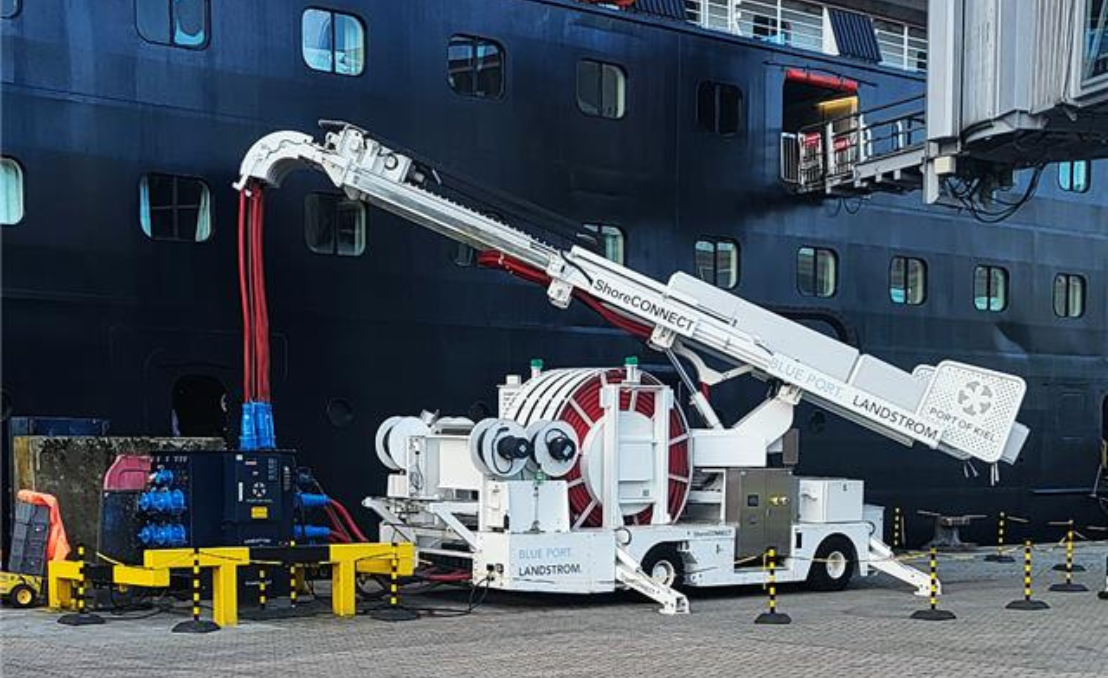
Shore power, also known as onshore power supply, allows a ship alongside to connect to the local electricity grid. It can then switch off the auxiliary engines normally used to power lighting, air conditioning and other onboard systems during a port call.
Vasco da Gama is already equipped with a Shore Connection system and is prepared to use this technology whenever it calls at a port with compatible infrastructure. This connection helps reduce local emissions, noise and fuel consumption while the ship remains in port.
The benefit is particularly significant in a country where electricity production has a strong renewable component. In 2025, hydropower accounted for 89.9% of the electricity generated in Norway, while wind power represented 8.6%.
Bergen and Oslo: examples of port transformation
Bergen, one of the main gateways to the fjords, has one of Europe’s largest shore power facilities for cruise ships, allowing three vessels to connect simultaneously.
Since 2026, cruise ships calling at Bergen must be prepared to use shore power. The port also limits daily traffic to four ships and 8,000 cruise passengers, seeking to balance tourism activity with the city’s capacity and residents’ quality of life.
Bergen also uses the Environmental Port Index, which differentiates port fees according to ships’ environmental performance. Vessels with a lower impact may benefit from more favourable conditions, making environmental performance an operational and economic criterion.
In Oslo, the port has set a target of reducing its emissions by 85% by 2030 and gradually moving towards zero-emission operations.
The shore power facility for cruise ships at Revierkaia, with a potential capacity of 16 MW, is one of the main measures supporting this strategy.
These examples show that maritime sustainability does not depend solely on ships. For onboard technologies to be used effectively, ports must also provide compatible infrastructure.
Responsible tourism also means creating local value
A sustainable destination is not measured only by the number of visitors it receives. It is also measured by how tourism benefits local communities.
In Norway, several destinations are investing in better visitor-flow management, the use of local products and services, and the development of experiences throughout the year. The aim is to prevent activity from becoming concentrated in only a few places or within a very limited period.
In Bergen, for example, a network was created in 2026 bringing together the port, tourism organisations, regional authorities and local businesses. The initiative seeks to ensure that a greater share of the value generated by cruise tourism remains in the city and the wider region.
Buying local products, trying regional cuisine, visiting small businesses, taking part in cultural experiences and respecting residents’ daily lives are also ways to travel more responsibly.
Mystic Ocean’s commitment
Vasco da Gama’s journey through Norway represents more than an opportunity to discover the country’s fjords, cities and coastal communities. It also reinforces the importance of progressively more efficient and responsible navigation.
Mystic Ocean considers sustainability and responsible tourism part of its strategy, seeking to provide experiences that preserve the beauty of destinations for future generations.
Vasco da Gama has been modernised to meet energy-efficiency standards and operate in some of the world’s most environmentally regulated regions, including the Norwegian fjords.
The Mystic Ocean – Vasco da Gama: Towards Carbon Neutrality project includes measures such as the installation of a Shore Connection system, the use of biofuel, air-conditioning optimisation, automation of energy systems and propulsion modernisation.
These measures form part of a strategy designed to reduce greenhouse gas emissions and contribute to the goal of carbon neutrality by 2050.
The connection between investments made onboard and the infrastructure available ashore is essential. A ship prepared to use shore power can only fully benefit from this technology when ports are also equipped to supply electricity.
A path built together
Norway is not a sustainable destination because it produces no environmental impact. No destination does. What distinguishes the country is how it has sought to make nature protection a practical part of tourism management through regulation, electrification, port infrastructure, visitor management and community involvement.
As Vasco da Gama sails between fjords, mountains and coastal cities, Norway’s landscape reminds us that exploring the world also means protecting it.
Because the future of more sustainable navigation will always be built together: by ships, ports, destinations, onboard teams and everyone who travels.
Frequently asked questions
What makes Norway a more sustainable destination?
Norway combines nature protection, responsible visitor management, transport electrification, predominantly renewable electricity and strict environmental regulations in sensitive areas such as World Heritage fjords.
What is shore power?
Shore power is a system that allows ships to connect to the port’s electricity grid while alongside. This enables them to switch off auxiliary engines, reducing local emissions, noise and fuel consumption.
How are Norwegian fjords protected?
They are protected through regulations covering emissions, discharges, fuel use, tourism management and connection to onshore electricity. Progressive zero-emission requirements are being introduced in World Heritage fjords.
How does Mystic Ocean contribute to more sustainable navigation?
Mystic Ocean is implementing measures aboard Vasco da Gama involving shore power, energy efficiency, biofuels, air conditioning, automation and propulsion-system modernisation, with the aim of progressively reducing its environmental footprint.
share
More news